Views: 0 Author: Ronix Tools Publish Time: 2026-07-23 Origin: Site


Walk into almost any hardware store, and you will find two hand tool categories that customers ask for again and again: wrenches and pliers.
A customer may not always know the exact name of the tool they need. They might simply say, “I need something to loosen this bolt,” or “I need a tool to hold this wire.” For experienced professionals, the answer is usually obvious. But for many DIY users and first-time buyers, choosing between a wrench and pliers can be confusing.
For hardware store owners and distributors, this difference matters.
Hand tools are not just small items placed on a shelf. They are products that represent reliability, repeat purchases, and customer trust. A mechanic, electrician, plumber, or maintenance worker often builds their toolbox around dependable hand tools. When retailers provide the right selection, customers are more likely to return for future projects.
A wrench and a pair of pliers may look similar because both are used by hand and both apply force. However, they are designed for completely different jobs.
A wrench is made to turn fasteners.
Pliers are made to grip, hold, bend, and cut materials.
Understanding this difference helps professionals choose the right tool and helps hardware businesses create a more effective product selection.
As a professional hand tool brand, Ronix Tools provides a complete range of workshop and maintenance solutions, including wrenches, pliers, screwdriver sets, and hand tool kits for distributors, retailers, and professional users.
In this guide, we will compare wrenches and pliers, explain their applications, and explore how hardware businesses can select the right hand tools for their customers.
Before discussing individual tools, let’s look at the basic difference between a wrench and pliers.
Feature | Wrench | Pliers |
Main purpose | Tightening and loosening fasteners | Gripping, holding, bending, cutting |
Designed for | Nuts and bolts | Wires, pipes, small parts, irregular objects |
Working method | Applies torque | Uses jaw pressure |
Best users | Mechanics, technicians, installers | Electricians, repair workers, DIY users |
Main strength | Strong control over fasteners | Flexible gripping ability |
The easiest way to remember:
Use a wrench when something needs to turn.
Use pliers when something needs to be held.
Of course, real working environments are not always that simple.
A professional mechanic may keep several wrenches and different types of pliers in the same toolbox. An electrician may need pliers for wiring work but also use small wrenches for equipment installation.
That is why successful hardware stores usually stock both categories.
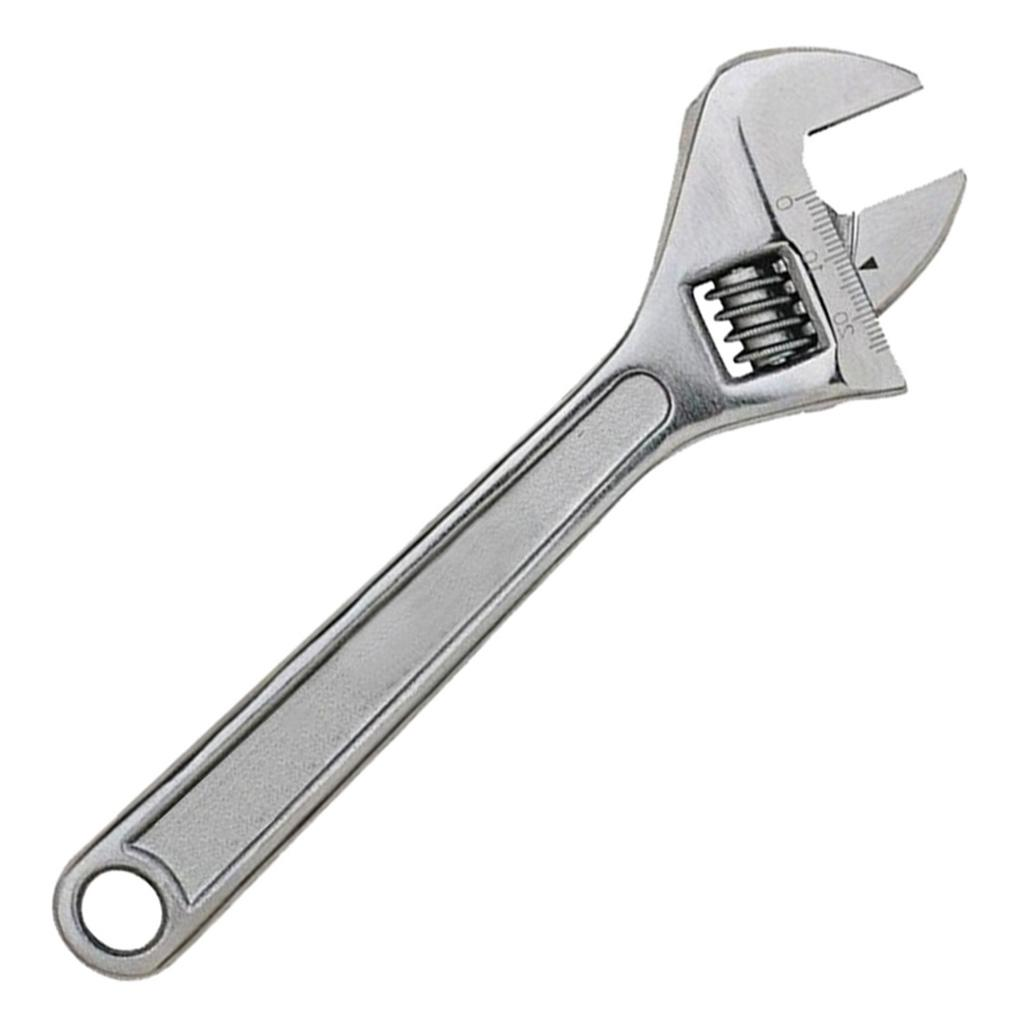


A wrench is one of the most important hand tools for mechanical work.
Its main purpose is simple: to tighten or loosen fasteners.
Unlike pliers, which grip from the outside, a wrench is designed to match the shape of a nut or bolt. This allows users to transfer force more efficiently and reduce the chance of damaging the fastener.
For jobs where precision matters, a properly selected wrench provides better control.
Common wrench types include:
· Adjustable wrench
· Combination wrench
· Socket wrench
· Pipe wrench
· Torque wrench
Each type serves a different purpose.
Among all wrench types, the adjustable wrench is one of the most popular choices for both professionals and homeowners.
The reason is flexibility.
Instead of carrying multiple fixed-size tools, users can adjust the jaw opening to work with different fastener sizes.
Typical applications include:
· Household repairs
· Plumbing maintenance
· Equipment installation
· General workshop tasks
For hardware retailers, adjustable wrenches are valuable because they appeal to a wide customer base.
A homeowner may buy one for occasional repairs.
A technician may keep one as a backup tool.
A contractor may include it in a larger tool collection.
Ronix Tools offers adjustable wrench solutions designed with practical features for everyday and professional use. For distributors, this type of hand tool is an essential category because it has broad market demand.


Combination wrenches are commonly found in professional workshops and maintenance environments.
They usually include:
· Open-end side
· Box-end side
This design gives users more flexibility during repair work.
Common applications:
Mechanics use combination wrenches for:
· Engine components
· Vehicle repair
· General maintenance
Industrial workers often need reliable wrenches for:
· Equipment adjustment
· Machine maintenance
· Assembly work
For professional customers, durability is often more important than price. A quality wrench that performs consistently can remain in a toolbox for years.
Socket wrench systems are popular among users who frequently work with multiple fasteners.
They allow faster operation because users can switch between different socket sizes depending on the application.
Common users include:
· Automotive technicians
· Equipment repair workers
· Workshop professionals
For hardware stores, socket wrench sets are attractive products because they are often purchased as complete kits rather than individual pieces.
This creates higher-value sales opportunities.
A wrench is the correct choice when the task involves:
This is the primary function of any wrench.
The tool provides:
· Better contact with fasteners
· More controlled force
· Less slipping
Using the correct wrench size also helps protect the edges of bolts and nuts.
Cars, motorcycles, and machinery contain hundreds of fasteners.
Common wrench applications include:
· Removing components
· Adjusting parts
· Installing replacements
Mechanics usually prefer wrenches because they provide the torque required for mechanical work.
Plumbing projects often require tools that can handle fittings and connections.
Wrenches are commonly used for:
· Pipe connections
· Valve installation
· Maintenance work
From installing equipment frames to assembling machinery, many construction tasks require secure fastening.
A reliable wrench helps workers complete these jobs efficiently.
From a retailer’s perspective, one wrench is rarely enough.
Different customers have different needs:
A homeowner may need:
· Adjustable wrench
A mechanic may need:
· Combination wrench set
· Socket wrench set
A plumber may need:
· Pipe wrench
A professional maintenance team may need:
· Complete hand tool kits
This is why distributors often prefer suppliers that can provide multiple hand tool categories from one source.
Ronix Tools supports hardware businesses by offering a wide selection of professional tools suitable for different markets and applications.


If wrenches are designed for turning, pliers are designed for control.
Pliers are one of the most versatile hand tools available because they can perform multiple tasks with a single design. Depending on the type, pliers can grip, hold, bend, cut, twist, and adjust different materials.
This flexibility is why pliers are found in almost every toolbox, from professional workshops to household repair kits.
Electricians, mechanics, plumbers, installers, and DIY users all rely on different types of pliers for daily tasks.
Common plier types include:
· Combination pliers
· Long nose pliers
· Cutting pliers
· Locking pliers
· Slip joint pliers
· Water pump pliers
Each design has a specific purpose.


Combination pliers are among the most commonly used hand tools in both professional and household environments.
They combine several functions:
· Gripping
· Holding
· Bending
· Cutting wires
This makes them a practical choice for many everyday tasks.
Typical applications include:
Electricians often use combination pliers for:
· Holding wires
· Cutting cables
· Adjusting electrical components
Home users often keep combination pliers because they are useful for:
· Small repairs
· Assembly work
· Household maintenance
For hardware retailers, combination pliers are important inventory products because they are affordable, practical, and suitable for almost every customer group.
Long nose pliers are designed for tasks where standard pliers cannot easily reach.
The narrow jaw design allows users to work in:
· Tight spaces
· Small components
· Electrical assemblies
Common applications include:
· Electronics repair
· Electrical installation
· Precision maintenance
For professionals working with wires and small parts, long nose pliers are often an essential tool.
Cutting pliers focus on one main purpose: cutting materials efficiently.
They are commonly used for:
· Electrical wires
· Cable ends
· Small metal pieces
A quality cutting plier should provide:
· Sharp cutting edges
· Strong material construction
· Comfortable operation
For professional users, tool performance directly affects working efficiency.
Locking pliers are different from traditional pliers because they can lock into position.
This allows users to hold objects securely while keeping both hands available for other tasks.
They are commonly used for:
· Repair work
· Welding preparation
· Mechanical applications
In workshops, locking pliers are often used as a temporary holding tool when extra stability is needed.
Customers should choose pliers when the job requires gripping, adjusting, or manipulating materials.
Common applications include:


Electricians are some of the biggest users of pliers.
Typical tasks include:
· Cutting wires
· Bending cables
· Holding electrical components
· Adjusting connections
For electrical applications, the ability to control small parts is often more important than applying high torque.
Although wrenches are commonly associated with plumbing, pliers also have an important role.
They are useful for:
· Holding pipes
· Adjusting small components
· Supporting installation work
Professional plumbers often carry both pipe wrenches and adjustable pliers because each tool solves different problems.
For homeowners, pliers are one of the first tools they purchase.
They are useful for:
· Fixing loose parts
· Removing small objects
· Adjusting hardware
· General maintenance
This makes pliers a strong retail category because they appeal to professional and consumer markets.
Many customers ask:
“Can I use pliers instead of a wrench?”
The answer depends on the job.
In some situations, pliers may work temporarily. However, they are not designed to replace a wrench.
The main differences come down to three factors:
A wrench transfers turning force.
A plier creates gripping force.
This is the biggest difference.
For example:
Removing a tight bolt:
✅ Wrench → Correct choice
Holding a wire:
✅ Pliers → Correct choice
Trying to use the wrong tool may create unnecessary problems.
Bolts and nuts are designed with specific shapes for wrench use.
A properly sized wrench provides:
· Better contact
· More stability
· Reduced slipping
Pliers can damage fasteners because their jaws are not designed to fit precisely around bolt heads.
For professional repair work, protecting components is important.
Using the right tool saves time.
A mechanic using a wrench on a bolt can work faster and more safely.
An electrician using pliers for wiring can complete tasks more efficiently.
This simple principle applies across industries:
The right tool improves the quality of the job.


Different professionals usually choose tools based on their daily applications.
Application | Recommended Tool | Reason |
Removing bolts | Wrench | Provides controlled torque |
Installing fasteners | Wrench | Better fitting and stability |
Cutting wires | Pliers | Designed for cutting |
Holding small parts | Pliers | Strong gripping ability |
Electrical repair | Pliers | Better control of cables |
Automotive maintenance | Wrench + Pliers | Different tasks require both |
A common mistake among beginners is thinking they need to choose between a wrench and pliers.
Professionals usually do not choose one over the other.
They keep both.
A mechanic may use:
· Socket wrench for bolts
· Combination pliers for holding parts
An electrician may use:
· Long nose pliers for wiring
· Adjustable wrench for equipment installation
A maintenance technician may carry:
· Adjustable wrench
· Combination pliers
· Screwdriver set
· Measuring tools
This is why complete hand tool solutions are popular among professional buyers.
A short demonstration video showing correct hand tool selection can help customers understand why different tools are designed for different tasks.
For hardware retailers and distributors, selling hand tools is not only about having products available.
Product organization and selection also influence customer decisions.
Here are several practical approaches:
Instead of separating products randomly, organize tools by customer needs.
Examples:
Include:
· Wrenches
· Socket sets
· Pliers
· Screwdrivers
Include:
· Long nose pliers
· Cutting pliers
· Electrical tools
Include:
· Adjustable wrenches
· Combination pliers
· Tool kits
This makes shopping easier and encourages additional purchases.
Customers have different budgets.
A successful hardware store usually offers:
For:
· Home users
· Occasional repairs
For:
· Contractors
· Technicians
· Industrial users
Providing options allows retailers to serve a wider market.
Many customers prefer buying complete sets instead of individual pieces.
Popular combinations include:
· Wrench sets
· Plier sets
· Screwdriver sets
· Complete hand tool kits
For distributors, tool sets also create higher-value product opportunities.
Ronix Tools provides professional hand tool collections designed for different users, helping hardware businesses build complete product solutions.


For hardware store owners and distributors, hand tools are more than individual products. They are one of the categories that help customers solve everyday problems and return for future purchases.
Unlike some specialized equipment that customers may buy only occasionally, hand tools are used across many industries:
· Construction
· Automotive repair
· Electrical installation
· Plumbing
· Manufacturing
· Home maintenance
This wide application range makes hand tools an important category for retailers.
However, choosing the right products is not always simple. A successful hand tool section needs a balance between customer demand, product quality, price range, and supplier reliability.
For distributors and retailers, selecting hand tools requires more than comparing prices.
Professional buyers usually consider several factors.
A hand tool is often used repeatedly under demanding conditions.
A mechanic may use a wrench every day.
An electrician may use pliers hundreds of times during installation work.
Customers expect tools that can handle regular use without losing performance.
Important factors include:
· Material quality
· Manufacturing precision
· Handle comfort
· Tool durability
Reliable tools create customer trust and increase the chance of repeat purchases.
Customers rarely need only one type of hand tool.
A contractor preparing for a project may require:
· Wrenches
· Pliers
· Screwdrivers
· Measuring tools
· Cutting tools
A homeowner may need:
· Adjustable wrench
· Combination pliers
· Screwdriver set
For retailers, working with a supplier that offers multiple categories makes inventory management easier.
In a hardware store environment, presentation matters.
Customers often make purchase decisions while standing in front of a shelf.
Clear packaging helps customers understand:
· Product type
· Application
· Features
· Size options
For distributors, professional packaging also improves product presentation in different markets.


Ronix Tools has developed a wide range of professional tools designed for global markets.
For hardware businesses, Ronix provides more than individual products. The goal is to help distributors build complete tool categories that match customer demand.
Ronix offers different types of hand tools, including:
Suitable for:
· Mechanical repair
· Construction work
· Equipment maintenance
Available categories include:
· Adjustable wrenches
· Combination wrenches
· Professional wrench solutions
Suitable for:
· Electrical work
· Repair applications
· Workshop tasks
Available categories include:
· Combination pliers
· Long nose pliers
· Cutting pliers
· Locking pliers
A complete tool section can also include:
· Screwdrivers
· Hex keys
· Measuring tools
· Tool kits
· Storage solutions
This allows retailers to create a stronger hand tool offering instead of selling isolated products.


Different industries have different expectations from hand tools.
Ronix Tools focuses on practical designs that support various working environments.
Mechanics need tools that provide:
· Reliable operation
· Strong grip
· Efficient performance
Typical products:
· Wrenches
· Pliers
· Socket tools
· Tool sets
Electrical professionals often require tools with:
· Precision handling
· Comfortable operation
· Good control
Typical products:
· Long nose pliers
· Cutting pliers
· Screwdrivers
Construction and maintenance users often need complete solutions.
Typical requirements:
· Durable tools
· Multiple sizes
· Easy transportation
Tool sets are especially popular because they provide several essential tools in one package.
For international buyers, choosing a supplier is an important business decision.
A good supplier should help customers:
· Expand product categories
· Maintain consistent quality
· Respond to market demand
· Build long-term sales growth
Ronix Tools supports businesses looking for professional tool solutions through:
From hand tools to power tools, Ronix provides products across multiple categories.
This allows distributors to source different product lines from one trusted partner.
Different markets have different customer expectations.
A hardware store in one country may focus on DIY tools, while another market may require professional construction equipment.
Ronix develops products suitable for different applications and customer groups.
With years of experience in the tool industry, Ronix understands what professional users and retailers expect:
· Practical design
· Reliable performance
· Competitive solutions
For retailers, the question is not:
“Should we sell wrenches or pliers?”
The better question is:
“How can we create a complete hand tool solution?”
Customers often purchase related products together.
Examples:
Possible purchases:
· Combination wrench set
· Adjustable wrench
· Pliers
· Screwdriver set
Possible purchases:
· Long nose pliers
· Cutting pliers
· Screwdrivers
· Measuring tools
Possible purchases:
· Adjustable wrench
· Combination pliers
· Hammer
· Utility knife
By organizing products around customer needs, hardware stores can increase sales opportunities and improve shopping convenience.
Wrenches and pliers are both essential hand tools, but they solve different problems.
A wrench is designed for:
· Tightening bolts
· Removing fasteners
· Applying controlled torque
Pliers are designed for:
· Holding objects
· Cutting wires
· Bending materials
· Handling irregular parts
For professionals, using the correct tool improves efficiency and protects equipment.
For hardware stores and distributors, offering both categories creates a stronger product selection and helps meet the needs of more customers.
With a complete range of professional hand tools, Ronix Tools helps retailers, wholesalers, and contractors provide reliable solutions for everyday repairs and professional applications.
Explore professional hand tools and business solutions at RonixHub.com.
Know someone who works with tools every day?
Share this guide with:
· Hardware store owners
· Tool distributors
· Contractors
· Mechanics
· Electricians
· DIY enthusiasts
Helping customers understand the difference between tools also helps businesses build better product selections.