The global power tool industry has changed dramatically over the past decade. What was once a market dominated by a handful of manufacturers has evolved into a highly competitive industry driven by innovation, cordless technology, and changing customer expectations. Whether you're a professional contractor, a hardware retailer, an importer, or an OEM brand owner, selecting the right power tool supplier has become one of the most important business decisions you'll make.
Today's buyers expect more than powerful motors and durable housings. They want tools that improve productivity, reduce downtime, offer long battery life, and come with dependable after-sales support. For distributors, the challenge is even greater. A reliable supplier must provide consistent quality, competitive pricing, flexible product ranges, and a stable supply chain that can support long-term business growth.
This guide explores everything you need to know about power tools—from understanding the different types available to choosing the right products for your market. We'll also examine five of the world's leading power tool brands and explain why Ronix Tools has become an increasingly popular partner for distributors in more than 90 countries.


Power tools are tools powered by an external energy source rather than manual force. Instead of relying solely on physical strength, these tools use electricity, rechargeable batteries, compressed air, or hydraulic systems to perform demanding tasks quickly and efficiently.
Compared with traditional hand tools, power tools dramatically reduce labor while
improving precision and consistency. Tasks that once required hours of manual effort—such as drilling into reinforced concrete, cutting thick steel, or sanding large wooden surfaces—can now be completed in a fraction of the time.
For professionals, this translates into higher productivity and lower labor costs. For DIY users, power tools make complex projects far more accessible.
The earliest electric drills appeared in the late nineteenth century, but it wasn't until the twentieth century that power tools became widely available for commercial use. Early tools were heavy, expensive, and limited to industrial workshops.
The introduction of portable electric motors transformed the industry. Later, lithium-ion battery technology revolutionized cordless tools, giving professionals the freedom to work almost anywhere without sacrificing performance.
Today, brushless motors, intelligent battery management systems, and ergonomic designs continue to push the industry forward.
Power tools generally fall into four categories.
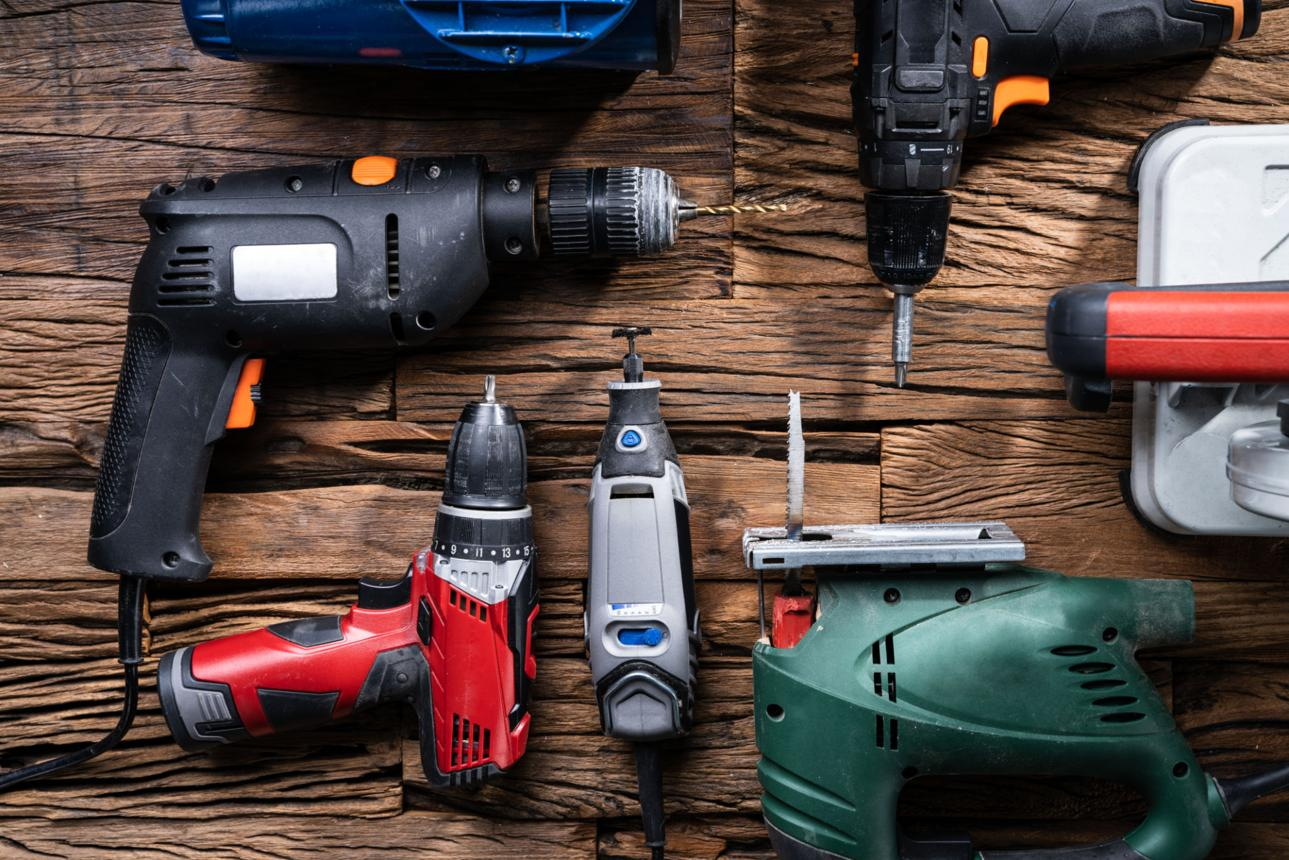
Corded tools connect directly to an electrical outlet and provide continuous power. Since there's no battery limitation, they're ideal for prolonged, high-demand applications such as concrete drilling, metal cutting, and workshop production.
Common examples include:
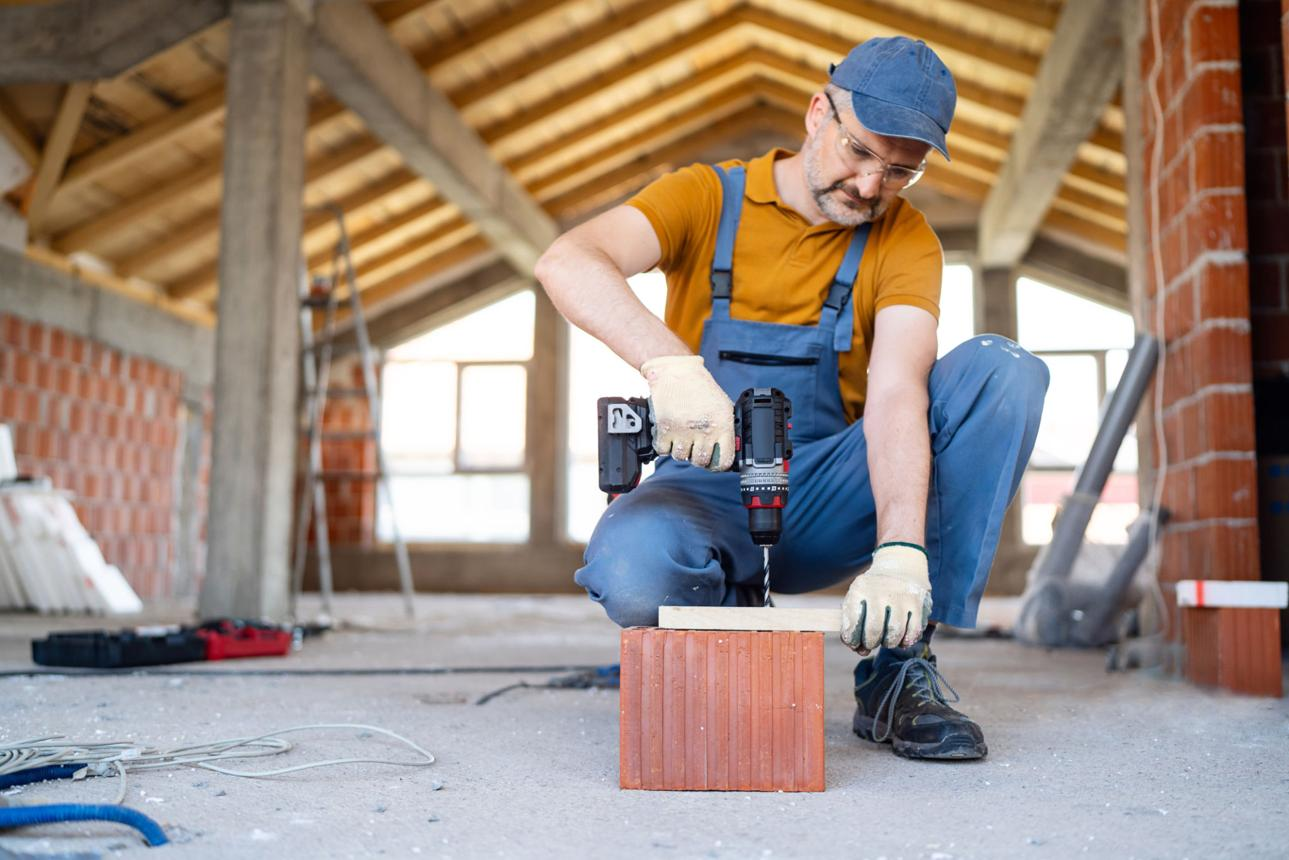
Cordless tools are powered by rechargeable lithium-ion batteries. Advances in battery technology now allow many cordless models to match the performance of corded alternatives while offering superior portability.
They're especially popular among:
· Electricians
· Installers
· Maintenance technicians
· Roofing contractors
· Interior decorators
Many manufacturers now build complete battery ecosystems, allowing one battery pack to power dozens of different tools.
Compressed-air tools remain the preferred choice for automotive repair shops and manufacturing facilities.
Examples include:
· Air ratchets
Because they contain fewer electrical components, pneumatic tools often perform exceptionally well under continuous industrial use.
Hydraulic tools generate enormous force and are commonly used in heavy construction, rescue operations, mining, and utility maintenance.
Although less common in retail markets, they play an important role in specialized industries.
Both categories have their place.
Hand tools offer simplicity, portability, and affordability. They're ideal for precision adjustments and light maintenance.
Power tools, however, excel in productivity. They reduce operator fatigue, improve efficiency, and deliver consistent results, making them indispensable for professional users.
Rather than replacing hand tools entirely, power tools complement them.


Choosing power tools isn't simply about buying the most expensive product or the best-known brand. The right choice depends on your work requirements, budget, expected usage frequency, and long-term operating costs.
Professional buyers often evaluate tools from several different perspectives before making purchasing decisions.
Construction sites, furniture factories, automotive workshops, and home renovation projects all place different demands on equipment.
For example, contractors working outdoors usually prioritize cordless mobility, while production workshops often favor corded equipment capable of operating continuously throughout the day.
Matching the tool to the environment is the first step toward maximizing productivity.
The motor is the heart of every power tool.
Traditional brushed motors remain affordable and reliable for occasional use. However, brushless motors have become the preferred option for professionals because they deliver:
· Higher efficiency
· Longer service life
· Less maintenance
· Reduced heat generation
· Better battery performance
· Lower operating noise
Although brushless tools generally cost more initially, they often provide greater value over their lifetime.
Battery platforms have become one of the biggest purchasing factors in today's market.
Imagine buying five cordless tools from five different brands. Suddenly, you're managing five chargers and multiple incompatible batteries.
A unified battery platform simplifies inventory, lowers operating costs, and improves convenience for both professionals and distributors.
The cheapest tool isn't always the most economical.
Professional buyers evaluate:
· Expected lifespan
· Maintenance costs
· Spare part availability
· Warranty coverage
· Downtime risks
Paying slightly more for a reliable product often reduces total ownership costs.
Reliable tools typically include:
· Durable gearboxes
· Precision-machined gears
· Efficient cooling systems
· Ergonomic handles
· Dust-resistant switches
· Overload protection
· High-quality bearings
These design details directly affect durability and user satisfaction.
International certifications provide confidence that products meet recognized safety and environmental standards.
Depending on your target market, common certifications include:
· CE
· RoHS
· GS
· UL
· FCC
Distributors importing products into Europe or North America should always confirm compliance before placing large orders.
The manufacturer behind the tool is just as important as the product itself.
Ask questions such as:
· Can they provide OEM services?
· Do they maintain stable production capacity?
· Are spare parts readily available?
· How quickly can they fulfill repeat orders?
· Do they offer marketing support?
Reliable suppliers become long-term business partners rather than simply product vendors.


Finding the right supplier becomes increasingly challenging as your product portfolio expands. Managing multiple factories often results in inconsistent quality, complicated logistics, and higher purchasing costs.
Ronix addresses these challenges by offering one of the industry's broadest product portfolios.
With more than 3,000 products, Ronix supplies:
· Garden equipment
· Air tools
· Welding machines
· Automotive tools
This comprehensive range enables buyers to consolidate purchasing through a single supplier.
Ronix emphasizes product durability by combining quality raw materials with strict manufacturing standards.
Many models include:
· Brushless motor technology
· Industrial-grade gear systems
· High-performance lithium batteries
· Ergonomic soft-grip handles
· Advanced cooling systems
These features help users achieve reliable performance across demanding job-site conditions.
For businesses looking to establish or expand their own brands, Ronix provides flexible OEM and private-label services.
Customization options include:
· Product branding
· Logo placement
· Color customization
· Packaging design
· User manuals
· Retail-ready presentation
These services allow distributors to differentiate themselves while benefiting from an experienced manufacturing partner.


Successful distribution depends on more than supplying quality tools. It requires dependable logistics, effective marketing resources, stable inventory, and responsive customer support.
Ronix has developed its business around these distributor needs.
Offering thousands of products enables distributors to purchase multiple categories from one supplier, reducing sourcing complexity while improving purchasing efficiency.
Efficient production management helps Ronix maintain competitive pricing without compromising product quality.
This allows distributors to remain competitive in price-sensitive markets while protecting their profit margins.
Ronix assists partners with:
· Product photography
· Product videos
· Technical documentation
· Catalogs
· Promotional materials
These assets help distributors launch products more quickly and reduce marketing costs.
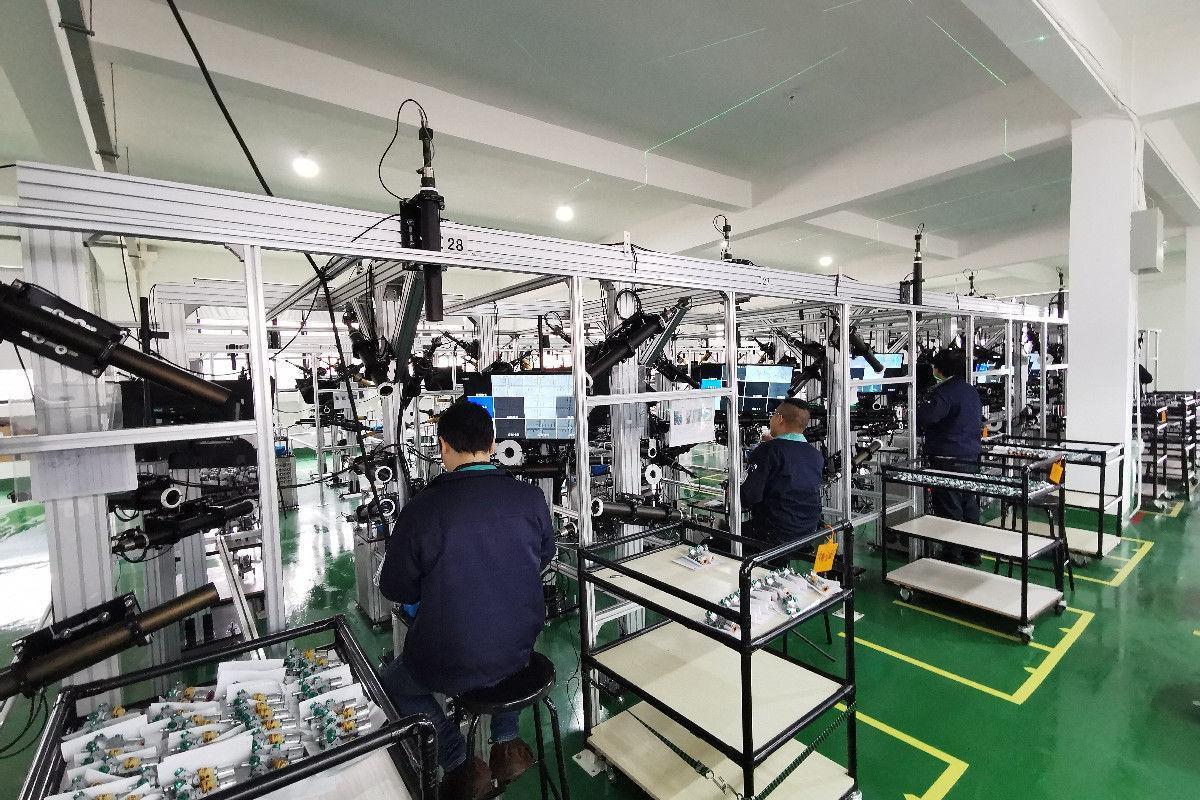
Every production stage undergoes quality inspections, including material verification, assembly testing, performance evaluation, and final inspection before shipment.
Consistent quality builds customer confidence and strengthens distributor reputation.
With distribution networks spanning more than ninety countries, Ronix understands the regulatory requirements and customer expectations of different global markets.
This experience helps simplify international procurement and reduce sourcing risks.


Choosing among the world's leading power tool brands depends largely on your priorities. Some companies emphasize cutting-edge innovation, while others focus on affordability, product diversity, or OEM capabilities.
Bosch Professional has built a reputation for engineering excellence over more than a century. Its blue professional product line is widely recognized for precision manufacturing, reliable performance, and continuous innovation.
The brand is especially popular among contractors, industrial maintenance teams, and construction professionals who require dependable equipment for daily use.
Makita has become one of the world's most recognizable power tool manufacturers through its extensive cordless platform and dependable product quality.
Its comprehensive battery ecosystem enables professionals to power multiple tools using compatible batteries, making it a practical choice for contractors managing large equipment fleets.
DeWalt has earned strong recognition for producing durable tools capable of handling demanding construction environments.
Its products are widely used by commercial builders, carpenters, and renovation professionals seeking heavy-duty performance.
Milwaukee has invested heavily in cordless innovation, introducing advanced battery systems and smart tool technologies.
Its products are particularly popular among electricians, plumbers, HVAC technicians, and industrial tradespeople.
Although Ronix entered the international market more recently than some established competitors, it has experienced rapid global expansion by focusing on the needs of distributors, importers, and professional users.
Instead of concentrating on only premium pricing or niche products, Ronix combines quality manufacturing, competitive costs, flexible OEM solutions, and an extensive product portfolio.
Today, Ronix supplies more than 3,000 products across dozens of categories while supporting partners in over 90 countries.
For businesses seeking a long-term manufacturing partner capable of supporting growth, Ronix offers an attractive balance of quality, flexibility, and value.
There is no single answer. Bosch Professional, Makita, DeWalt, Milwaukee, and Ronix all produce professional-grade tools, but the best choice depends on your application, budget, and preferred battery platform.
Cordless tools continue to gain market share because of improved battery technology. However, corded tools remain the preferred choice for applications requiring continuous high-power operation.
Brushless motors offer higher efficiency, longer lifespan, reduced maintenance, and improved battery runtime, making them ideal for frequent professional use.
Beyond product quality, distributors should evaluate production capacity, OEM services, quality control, certifications, logistics capabilities, and after-sales support.
Yes. Many manufacturers offer flexible OEM solutions that enable smaller brands to launch customized products without investing in their own production facilities.
Power tools have become essential across construction, manufacturing, woodworking, automotive repair, and countless other industries. As technology continues to evolve, buyers increasingly expect higher efficiency, greater durability, and smarter cordless solutions.
Selecting the right brand requires careful consideration of performance, quality, battery compatibility, certifications, after-sales service, and long-term supplier reliability.
While established manufacturers such as Bosch Professional, Makita, DeWalt, and Milwaukee continue to lead many segments of the market, Ronix has earned growing international recognition by combining professional-quality products with competitive pricing, flexible OEM capabilities, and comprehensive distributor support.
For wholesalers, retailers, importers, and private-label brands looking to expand their business, choosing a reliable manufacturing partner is just as important as choosing the right products. A supplier capable of delivering consistent quality, stable supply, and responsive service can create lasting value far beyond the initial purchase.