Views: 0 Author: Ronix Tools Publish Time: 2026-11-09 Origin: Site


When dealing with damaged vehicle frames, bent metal components, or heavy equipment that needs repositioning, ordinary hand tools are rarely enough. Mechanics and technicians often need something that can deliver controlled force without taking up too much working space. This is where a Porta Power comes in.
But what type of tool is a Porta Power? Is it a hydraulic jack, a body repair tool, or a piece of industrial lifting equipment?
A Porta Power is a portable hydraulic power tool designed to push, pull, spread, lift, bend, and straighten heavy materials. It uses hydraulic pressure to generate significant force through a compact cylinder and a selection of interchangeable attachments.
For automotive repair shops, industrial maintenance teams, and professional tool distributors, understanding how this equipment works can help identify the right product for different applications.
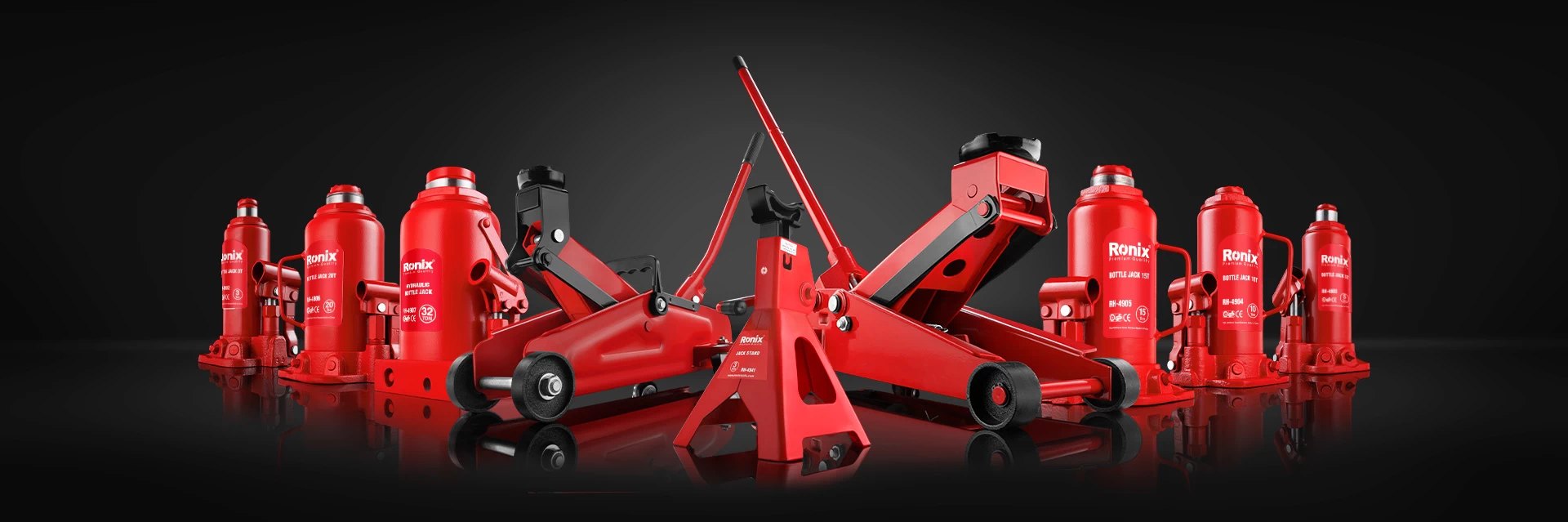
A Porta Power is a portable hydraulic ram system, commonly classified as a hydraulic body repair tool or hydraulic equipment kit.
Unlike traditional mechanical tools that rely on manual leverage, a Porta Power uses hydraulic pressure to multiply the force applied by the operator. This makes it possible to handle demanding repair and positioning tasks with relatively little physical effort.
A typical Porta Power kit consists of several components:
Hydraulic pump: Generates hydraulic pressure to operate the system.
Hydraulic cylinder (ram): Converts hydraulic pressure into linear pushing force.
Hydraulic hose: Transfers pressurized hydraulic fluid from the pump to the cylinder.
Extension tubes: Increase the working length and provide additional positioning options.
Interchangeable attachments: Support different operations, including pushing, spreading, lifting, and straightening.
Carrying case: Keeps the equipment organized and makes transportation easier.
Depending on the model, the hydraulic pump may be operated manually, pneumatically, or through another power source.
The main advantage is versatility. Instead of purchasing several specialized tools for different repair jobs, technicians can use one hydraulic power system with different attachments.
The working principle of a Porta Power is based on Pascal's law, which explains how pressure applied to a confined fluid is transmitted throughout the fluid.
When an operator activates the hydraulic pump, hydraulic oil moves through the hose and enters the cylinder. The pressure pushes the internal piston outward, creating a strong linear force.
This force can then be used to move, lift, or reshape a component.
The basic working process includes four steps:
1. Pumping Hydraulic Fluid
The operator activates the pump to build hydraulic pressure inside the system.
2. Transferring Pressure
Hydraulic oil travels through the hose and enters the hydraulic ram.
3. Generating Force
The pressure moves the piston inside the cylinder, producing the required pushing force.
4. Completing The Operation
The ram extends against the workpiece or another contact point. After the job is completed, the release valve allows the hydraulic pressure to decrease and the ram to retract.
The actual force depends on the hydraulic pressure and the effective piston area. For this reason, buyers should pay attention to rated working pressure and maximum output force when comparing different Porta Power models.


A Porta Power is widely used in applications where controlled hydraulic force is needed. Although automotive repair is one of its most recognized uses, the equipment also has value in industrial maintenance and metalworking.
One of the most common applications is repairing damaged vehicle frames and body structures.
After a collision, certain sections of a vehicle frame may become bent, compressed, or misaligned. A Porta Power can apply controlled pressure to help push these sections back toward their original position.
It is particularly useful for:
Straightening bent vehicle frames.
Correcting damaged body panels.
Adjusting structural components.
Repositioning metal sections during collision repairs.
Professional technicians should always use appropriate measuring equipment and manufacturer-approved repair procedures when working on structural vehicle components.
Some mechanical parts become difficult to separate because of corrosion, deformation, or tight installation tolerances.
With a suitable spreading attachment, a Porta Power can create the force needed to separate or reposition these components.
Typical applications include maintenance work on machinery, metal structures, and vehicle assemblies.
A Porta Power can also be used for certain lifting and positioning tasks when equipped with the appropriate hydraulic ram and accessories.
For example, maintenance technicians may use it to raise or reposition machinery components during installation or repair.
However, it should not automatically be treated as a replacement for a certified lifting jack. The rated capacity, stability, and intended application must always be checked before use.
In metal fabrication and industrial repair environments, hydraulic force can make it easier to reposition or bend metal components.
A Porta Power provides a controlled linear pushing force that can assist with certain shaping and adjustment operations.
The suitability of the equipment depends on the material, required force, ram stroke, and available working space.
Manufacturing facilities often deal with machinery components that are difficult to move using conventional hand tools.
A portable hydraulic power system can help maintenance personnel reposition parts, separate assemblies, and complete certain repair operations.
Its compact design makes it particularly useful in locations where larger hydraulic equipment would be inconvenient.
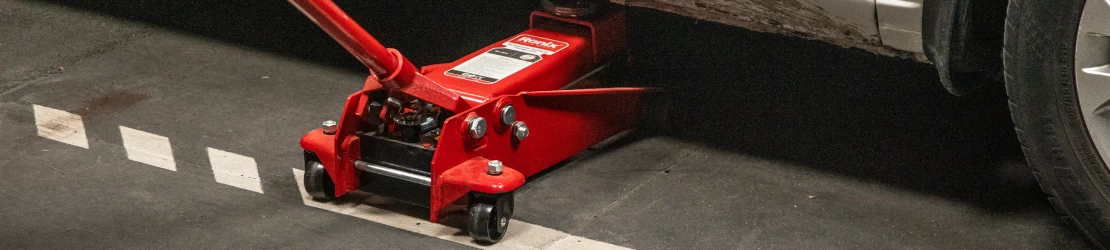
Not all Porta Power systems are designed for the same working conditions. Different pump configurations and hydraulic capacities are available to meet the requirements of automotive workshops, industrial users, and professional maintenance teams.
A manual Porta Power uses a hand-operated hydraulic pump to generate pressure.
It is commonly selected by automotive repair shops and technicians who need portable equipment for occasional or moderate repair work.
Main advantages:
No electrical power supply required.
Simple operating structure.
Easy to transport.
Suitable for mobile repair applications.
A pneumatic Porta Power uses compressed air to operate the hydraulic pump.
Compared with manual systems, it can reduce repetitive pumping effort and improve working efficiency in workshops that already have an air compressor.
Main advantages:
Reduced manual effort.
Convenient for repeated operations.
Suitable for professional workshop environments.
Faster operation in compatible applications.
Heavy-duty hydraulic systems are designed for applications requiring greater output force.
They may be used in industrial maintenance, equipment positioning, and demanding automotive repair operations.
When selecting a high-capacity model, buyers should consider the maximum hydraulic force, operating pressure, cylinder stroke, and overall system compatibility.
A common question among buyers is whether a Porta Power is simply another type of hydraulic jack.
Both tools use hydraulic pressure, but their designs and intended applications are different.
| Feature | Porta Power | Hydraulic Jack |
| Main function | Pushing, spreading, lifting, and straightening | Mainly lifting |
| Design | Pump, hose, ram, and interchangeable accessories | Integrated or dedicated lifting structure |
| Flexibility | Multiple working configurations | Generally designed for specific lifting tasks |
| Typical applications | Frame repair, component positioning, metalworking | Vehicle lifting and equipment support |
| Portability | Usually supplied as a portable kit | Depends on jack type |
A hydraulic jack is generally selected when the main requirement is raising a load. A Porta Power offers more flexibility because its hydraulic ram can be configured for different force-related operations.
For distributors, these products should be positioned according to their actual applications rather than treated as interchangeable equipment.
For wholesalers, importers, and tool distributors, selecting a suitable Porta Power involves more than comparing prices. Product specifications, durability, accessories, and target-market requirements all affect purchasing decisions.
Here are several important factors to evaluate.
The rated force is one of the first specifications to check.
Different applications require different force levels. A light-duty automotive repair kit may be sufficient for smaller repair operations, while industrial users may require higher-capacity equipment.
Choose a model based on its intended workload rather than simply purchasing the highest-capacity option.
Manual and pneumatic pumps serve different users.
Manual models are suitable for customers who prioritize portability and independence from external power sources. Pneumatic models may be more attractive to professional workshops with established compressed-air systems.
Understanding the end user's working environment helps distributors recommend the right configuration.
The cylinder stroke determines how far the ram can extend during operation.
Extension tubes provide additional reach and flexibility, especially when working in areas with limited access.
Buyers should check the available extension lengths and ensure that all components are compatible with the hydraulic system.
Hydraulic equipment operates under considerable pressure, so component quality should never be overlooked.
Important areas to inspect include:
Cylinder construction and surface treatment.
Hydraulic hose pressure rating.
Pump sealing performance.
Valve reliability.
Connector strength.
Corrosion resistance.
Consistent manufacturing quality is particularly important for B2B buyers purchasing in larger quantities.
The number and type of accessories can significantly affect the practical value of a Porta Power kit.
Common attachments include flat bases, spreading wedges, extension tubes, rubber heads, and different contact adapters.
Distributors should compare the complete kit configuration instead of evaluating the main hydraulic unit alone.
Hydraulic tools must be manufactured and tested according to applicable safety requirements.
Buyers should request technical documentation, rated working pressure information, product test reports, and relevant market compliance documents.
It is also important to confirm that the pump, hose, cylinder, and fittings are designed to work together within the specified pressure limits.
For professional users who regularly deal with damaged metal structures, vehicle body repairs, or heavy mechanical components, a Porta Power can be a valuable addition to their tool inventory.
Its main advantage is the ability to generate substantial hydraulic force through a relatively compact system.
It also reduces the need for multiple specialized mechanical tools in certain applications.
For distributors and wholesalers, Porta Power kits offer opportunities to serve several customer groups, including:
Automotive repair workshops.
Collision repair centers.
Industrial maintenance companies.
Machinery service providers.
Metal fabrication businesses.
Professional tool retailers.
The key is to match the product configuration with the actual needs of the target market.
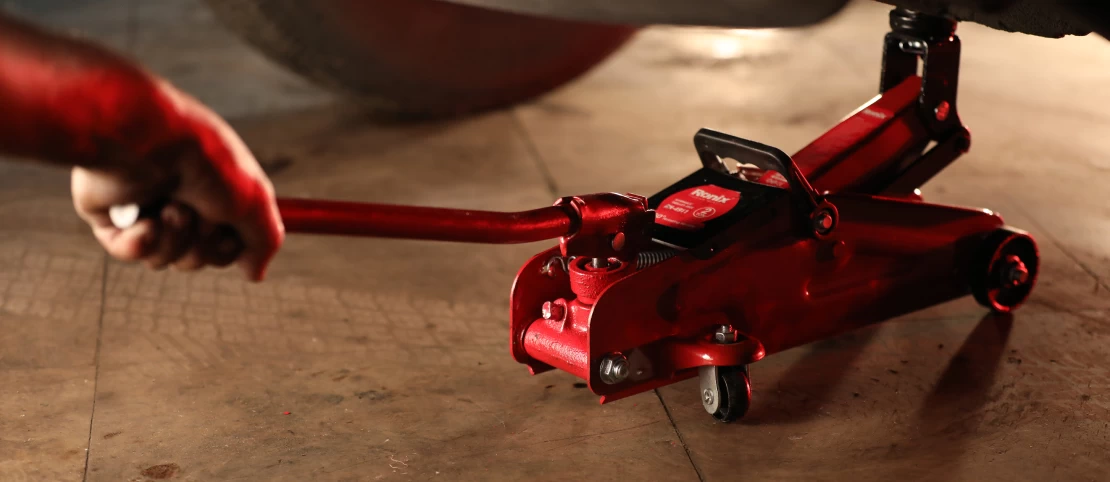
For B2B buyers, product quality is only one part of a successful purchasing decision. A dependable supplier should also provide consistent specifications, stable production capacity, and responsive technical support.
When sourcing hydraulic tools and related workshop equipment, distributors should evaluate the manufacturer's production experience, quality control procedures, product range, and ability to support bulk orders.
A supplier with a well-developed product portfolio can also make it easier to expand a workshop equipment catalog without managing too many separate sourcing channels.
At Ronix, product development and quality are important considerations in serving professional tool users and international distribution partners. Buyers looking to expand their tool collections can explore the Ronix product range and contact the team for further product information and cooperation opportunities.
Yes. A Porta Power is a portable hydraulic tool that uses pressurized hydraulic fluid to generate pushing, pulling, spreading, and lifting force.
Yes, it can assist with certain vehicle frame straightening and body repair operations. However, structural repairs require professional equipment, accurate measurements, and manufacturer-approved repair procedures.
A hydraulic ram is the cylinder component that converts hydraulic pressure into linear force. A Porta Power is generally a complete portable system that includes a pump, hydraulic hose, ram, and various accessories.
Not necessarily. Manual hydraulic Porta Power kits operate through hand pumping and do not require electricity. Pneumatic versions, however, require a suitable compressed-air supply.
The output force varies depending on the model, hydraulic pressure, and cylinder specifications. Buyers should always check the manufacturer's rated capacity instead of assuming all Porta Power kits deliver the same force.
Yes, certain models can perform lifting and positioning tasks when used with compatible accessories and suitable support arrangements. They should not be used to support suspended loads or lift vehicles unless the equipment is specifically rated and approved for that purpose.
The main users include automotive repair shops, collision repair centers, industrial maintenance teams, machinery service companies, and metal fabrication businesses.
So, what type of tool is a Porta Power?
It is a portable hydraulic power tool designed to handle tasks that require controlled force, including pushing, spreading, lifting, bending, and straightening.
Although it is widely associated with automotive frame repair, its applications extend into industrial maintenance, machinery servicing, and metalworking.
For B2B buyers, the most important purchasing considerations are hydraulic capacity, pump type, cylinder specifications, accessory compatibility, and manufacturing quality. Choosing the right configuration can help distributors serve their customers more effectively while building a competitive workshop equipment portfolio.
Looking for reliable professional tools for your market? Explore Ronix products and contact our team to discuss your wholesale and distribution requirements.